
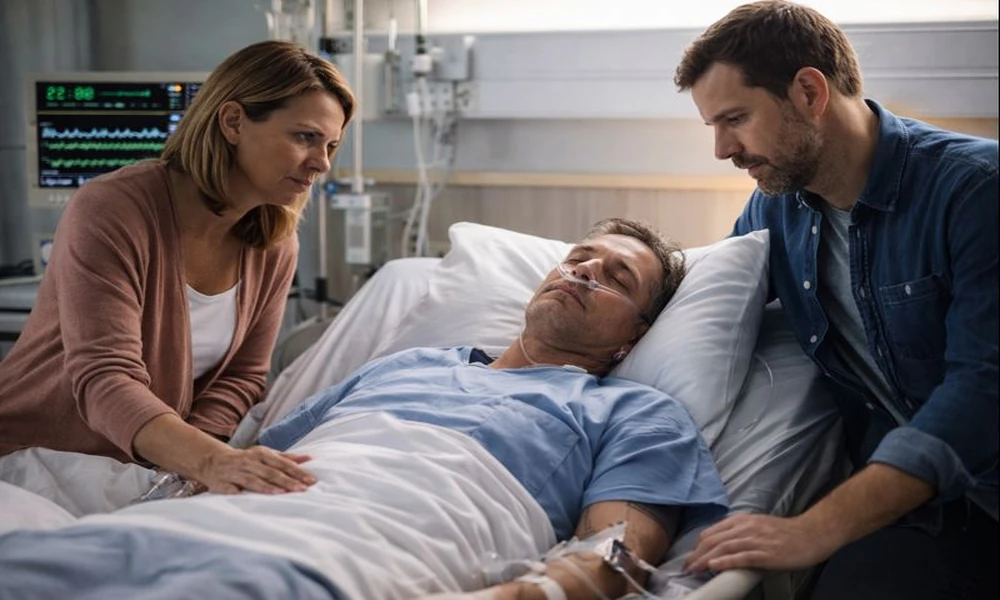

Putting a loved one in an assisted living or nursing home is often one of the hardest choices a family must make. The decision is based on the belief that skilled practitioners will provide compassionate, courteous, and safe treatment on a daily basis. Families are forced to cope with emotional suffering, confusion, and a plethora of unanswered concerns when that trust is betrayed, when a resident is harmed.
Treating bodily damage is only one aspect of recovering from such an event. Rebuilding trust in the care process and making sure that such situations don’t occur again are also necessary. Families may start making progress while safeguarding the welfare of people they love if they are aware of their rights and take appropriate action. For anyone looking for advice after a nursing home accident, resources like https://nursinghomelitigator.com/boulder-city-nv/ may provide helpful information.
Realizing That Preventable Damage Must Never Be Ignored
In a care facility, not all injuries are inevitable. Even though elderly citizens often have health issues that make them more vulnerable, many events are the consequence of avoidable situations. Situations that may suggest insufficient care include falls brought on by inadequate monitoring, medication errors, untreated infections, dehydration, pressure injuries, and delayed medical response.
Unexpected physical injuries and emotional shifts should be closely monitored by families. A resident may not be getting the care they need if they exhibit signs of fear, withdrawal, unexplained injuries, abrupt weight loss, or changes in personal cleanliness. By paying attention to these warning indicators, further damage may be avoided.
Rebuilding Confidence Via Open Communication
Promoting open communication is one of the first stages in regaining confidence. Families should have direct conversations with nurses, caregivers, and facility management to find out precisely what went wrong and what steps have been taken to fix it.
A respectable care facility should be prepared to respond to inquiries, outline its policies, and show that it is dedicated to the safety of its residents. Families are better able to assess if the situation was handled effectively or whether further action is required when there is clear communication.
Regular communication with staff also fosters stronger relationships that promote future improvements in resident care.
Maintaining Complete Records Enhances All Decisions
Following an accident, documentation becomes very important. A detailed image of the circumstances surrounding the injury may be produced with the use of medical reports, photos, incident logs, doctor advice, and firsthand observations.
Families should keep well-organized records of all their interactions with administrators, workers, and healthcare professionals. In addition to facilitating improved communication, thorough documentation may be crucial in the future if legal issues come up.
Families may make choices based on facts rather than conjecture thanks to accurate records.
Putting The Resident’s Recovery First
Investigating the incident is crucial, but the resident’s recuperation and general quality of life should always come first. Recovery results may be greatly enhanced by appropriate medical care, rehabilitation, emotional support, and routine follow-up care.
Family visits are also very important. Regular participation lets loved ones keep a close eye on residents’ development while reassuring them that they are supported. During the healing process, emotional support often proves to be just as beneficial as medical care.
Although each healing process is different, family members’ sympathetic support may have a long-lasting impact.
Recognizing When Legal Advice May Be Useful
There are certain circumstances that go beyond basic mishaps. Families may benefit from obtaining legal counsel if there is proof that an injury was caused by abuse, carelessness, or repeated safety lapses.
Legal experts with expertise in nursing home matters are able to assess the information that is now accessible, clarify relevant legislation, and assess whether the institution fulfilled its duty of care. Additionally, while defending the rights of harmed citizens, they may assist families in understanding possible avenues for seeking responsibility.
Financial recovery is not the exclusive goal of legal action. It often motivates institutions to reinforce safety protocols, enhance training, and avoid similar accidents from harming other residents.
In Conclusion
When someone is hurt in a nursing home, the family may feel overburdened and unsure of what to do. On the other hand, restoring confidence while safeguarding a loved one’s health and dignity may be accomplished by educated action. Finding solutions and averting more injury are made possible by thorough documentation, honest communication, high-quality medical care, and expert advice. Families may make sure their loved ones get the respect, safety, and caring support they need by continuing to be proactive and asking for high standards of care.
