
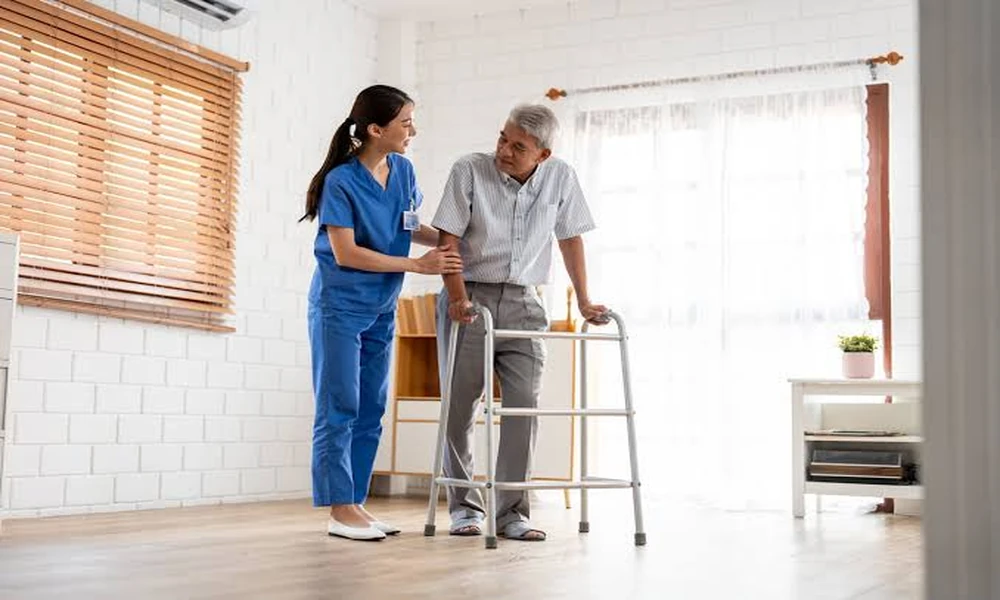

The rehabilitation of elderly people helps these elderly individuals in regaining their physical strength, mobility, self-confidence, and capabilities after any illness, injury, surgery, or after any period when their physical activity levels have been very low. However, the primary aim of these rehabilitation programs does not merely include physical recovery. Instead, these programs assist seniors in carrying out the activities of daily life, which include movement, dressing, bathing, preparing meals, and movement within their living space.
rehabilitation services for elderly offer systematic assistance according to their individual requirements and objectives for recovery. Based on the state of an elderly person, a rehabilitation program could consist of physiotherapy, occupational therapy, exercises, mobility training, balancing, and educational elements.
What Is Senior Rehabilitation?
Seniors’ rehabilitation is an integrated system aimed at helping elderly individuals develop or retain their capabilities. The rehabilitation programs can be prescribed after a hospitalization period, surgery, stroke, fracture, illness, and others, which have some impact on the person’s movement and autonomy.
As opposed to concentrating solely on the medical issue, rehabilitation concentrates on the way how it impacts daily activities. Therapists evaluate the patients’ mobility, strength, balance, coordination, endurance, and capability to perform certain actions.
How Does Rehabilitation Improve Mobility?
Limited mobility complicates the performance of daily tasks and can lead to increasing dependence on relatives or caregivers. Rehabilitation programs involve adequate exercise and movement therapies for the physical issues of the seniors.
For example, the physiotherapist will work with a patient on walking, transfers, strength of lower extremities, flexibility, and balance. In addition, various assistive devices can be used by the seniors if needed.
How Does It Support Daily Activities?
Independence frequently relies on being capable of performing daily tasks without any unnecessary help. An occupational therapist can work with the patient on the skills that can be performed at home or in other familiar places.
The list of those tasks may include:
- Dressing and undressing
- Taking a shower/bath and grooming
- Preparing meals and eating
- Transferring from chairs and beds
- Using objects around the house
- Completing usual routines
The therapists can advise patients on how to perform the tasks in a more secure way or give necessary adaptations.
Can Rehabilitation Improve Balance and Reduce Falls?
Many older people have problems with balance, and it can affect their confidence level and safety. Rehabilitation may involve balance exercises, strength training, gait training, and learning how to move safely.
A therapist will check for any possible danger of falling in the environment and advise on ways to eliminate them. The suggestions may include better illumination, eliminating obstacles, rearranging furniture or using assistive devices.
Why Is Strength Important for Seniors?
Muscular strength facilitates many routine activities such as standing, walking, climbing stairs, and moving from one surface to another. Inability to perform certain activities can lead to further weakness, making it harder for people to carry out their activities.
Rehabilitation can offer training through gradual exercises that are designed to suit the individual. This progress is monitored, and activities can be modified based on the progress made.
The emphasis is normally on functional strength and not exercise per se.
How Does Rehabilitation Build Confidence?
Limitations in the body can sometimes make seniors apprehensive about performing certain activities independently. Through repeated practice in a monitored environment, individuals can get accustomed to certain motions, thereby enhancing their confidence levels.
Rehabilitation offers education regarding safe ways of performing certain activities, pacing, and proper use of assistive devices.
Frequently Asked Questions
How long does senior rehabilitation take?
It depends on how well the person responds and progresses and what the goals are. The length of time is different based on what kind of rehabilitation the person requires.
Can rehabilitation take place at home?
Yes. Whether inpatient, outpatient or home-based rehabilitation, depending on the individual’s needs and services available, is possible.
Does rehabilitation only help after surgery?
No. Rehabilitation is not only for recovering from surgery. It is useful for recovery from various factors such as sickness, injury, hospital stay, neurological disorders, reduced mobility and others that interfere with the person’s ability to perform his or her activities.
Conclusion
Rehabilitation of older adults is concerned with making daily life easier and safer through specific physical and mental practices. Rehabilitation services for elderly can consist of mobility, strength, balance exercises, and assistance with daily activities and education.
How Do Senior Rehabilitation Programs Help Restore Everyday Independence?
