
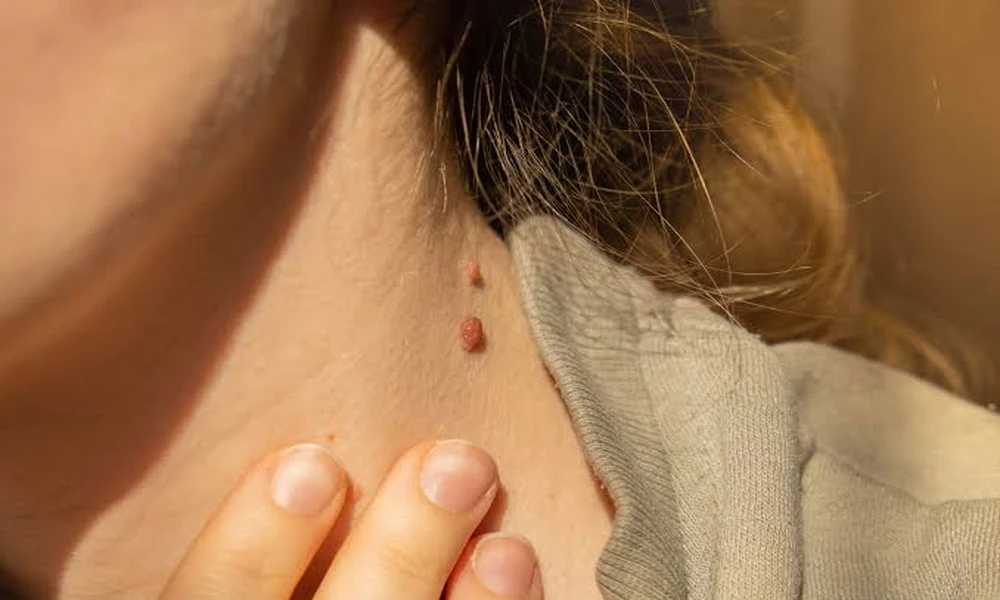

Skin growths can appear for various reasons, and their size, texture, and appearance may differ significantly. While many are harmless, identifying the type of growth before considering treatment is an important first step for patients.
Before arranging Skin Tag Removal in Birmingham, patients should understand what a skin tag looks like, why professional assessment matters, and what treatment may involve. Knowing about preparation, potential risks, recovery, and aftercare can also help patients approach an appointment with clearer expectations.
Recognising Common Types of Skin Growths
Skin tags are small, soft growths that often develop in areas where skin experiences regular friction. The neck, armpits, eyelids, groin, and skin folds are common locations. Some have a narrow stalk, while others have a broader connection to the skin.
Other conditions can sometimes resemble skin tags. Moles, warts, cysts, and different types of lesions may share certain visual characteristics. Any growth that changes in colour, size, shape, or texture should receive appropriate medical attention. Bleeding, persistent irritation, or unexplained pain are also reasons to seek professional assessment.
Why Professional Assessment Matters
A professional assessment can help determine whether a growth is actually a skin tag and whether removal is appropriate. A healthcare professional can examine its appearance, location, and characteristics before discussing suitable treatment options.
Patients should mention noticeable changes and explain whether the growth has caused discomfort or repeated irritation. Relevant information about medications, allergies, existing medical conditions, and previous skin concerns should also be shared. This information can help the healthcare professional consider the circumstances surrounding treatment.
Preparing for a Skin Tag Treatment Appointment
Preparation can begin by paying attention to the growth before the appointment. Patients may find it useful to note when it was first noticed, whether it has changed, and whether clothing, jewellery, or everyday movement causes irritation.
Any instructions provided before the appointment should be followed carefully. Patients can also prepare questions about the proposed procedure, potential risks, expected healing time, and aftercare. Discussing these points in advance can reduce uncertainty and provide a clearer idea of what to expect.
What to Expect During the Procedure
The removal method selected can depend on the growth’s size, location, and characteristics. Professional approaches may include excision, cryotherapy, or techniques involving controlled heat. After assessment, the healthcare professional can explain the appropriate method and what the procedure involves.
Treatment may be relatively brief, although the appointment length can vary depending on the number and location of growths. Local anaesthetic may be used when appropriate to improve comfort. Patients should raise concerns about sensitivity or discomfort before treatment begins.
Attempting to remove a growth independently with scissors, blades, or unsuitable chemical products can lead to bleeding, infection, or scarring. Professional treatment allows the area to be assessed and managed under suitable clinical conditions.
Recovery, Aftercare, and Follow-Up
Temporary redness, tenderness, swelling, or sensitivity may occur following treatment. The recovery process varies depending on the removal technique and the individual’s natural healing response.
Following the recommended aftercare instructions can support the healing process. Patients may be advised to keep the treated area clean, reduce friction, and avoid picking at scabs or healing tissue. Additional guidance may cover bathing, skincare products, or activities that could disturb the area.
Follow-up requirements depend on the procedure and individual circumstances. Increasing pain, significant swelling, unusual discharge, persistent redness, or other unexpected changes should be discussed with a healthcare professional. Monitoring the treated area during recovery allows concerns to be addressed appropriately.
What Patients Should Know Before Treating Unwanted Skin Growths
